
 By Nora
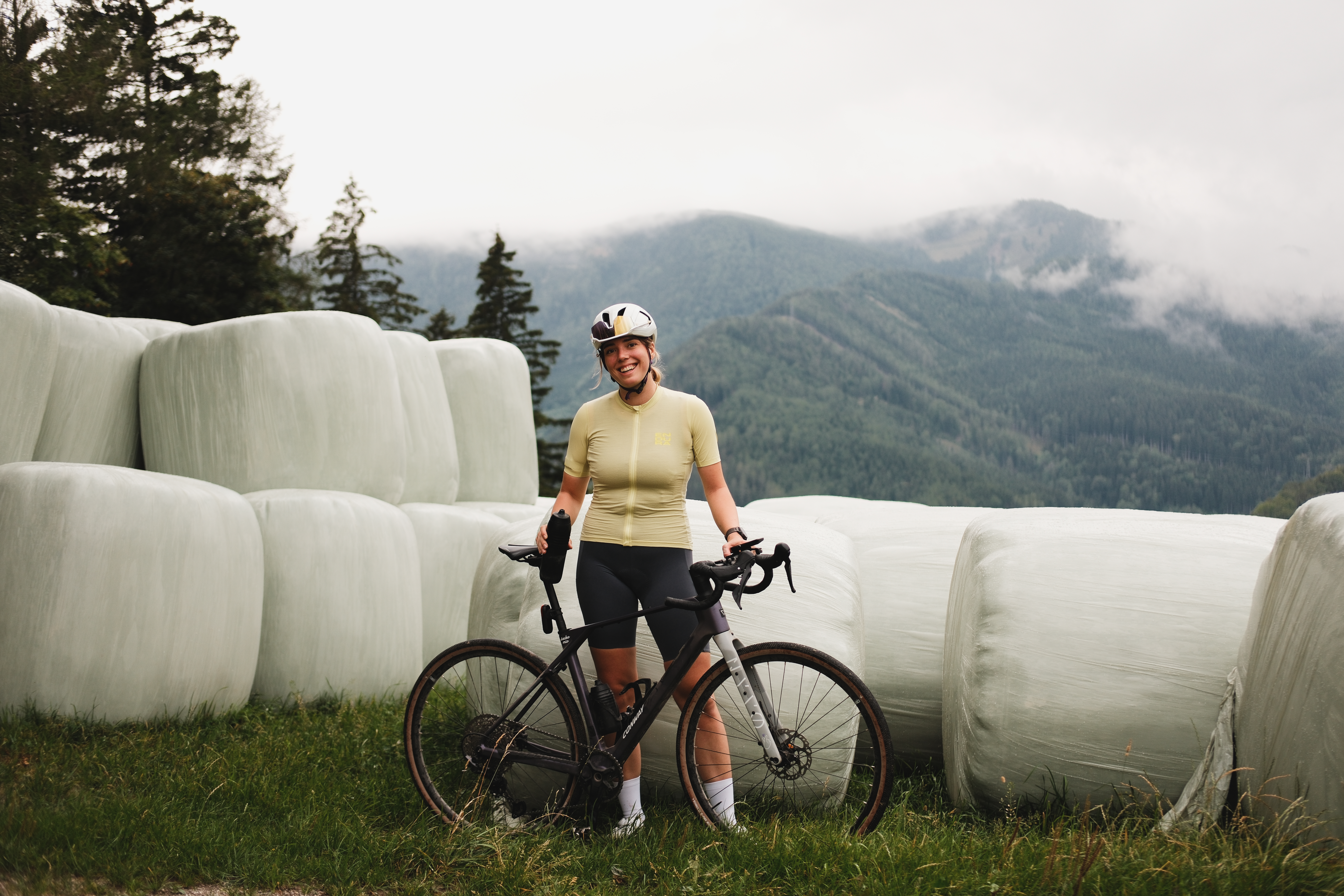
Why I now prepare for my dermatology appointment for my psoriasis differently than I used to.
In partnership with AbbVie | Further information on psoriasis and possible treatment options is available in consultation with a specialist in dermatology.
For road cyclists, this is probably one of the most familiar scenarios: you have a fall, go to the doctor, have an X-ray and – oh no – there it is, set in black and white. A fracture. A diagnosis. A treatment plan. And eventually, the bone has healed.
For me, it was completely different. When I was around 13 years old, I had lots of doctor’s appointments. Then, at 22, the whole thing all over again. For a long time, I didn’t have a diagnosis that could be so clearly pinned down. And above all, there was nothing that could simply be rested for a few weeks and then ticked off the list. My psoriasis hadn’t suddenly disappeared just because I’d had a doctor’s appointment.
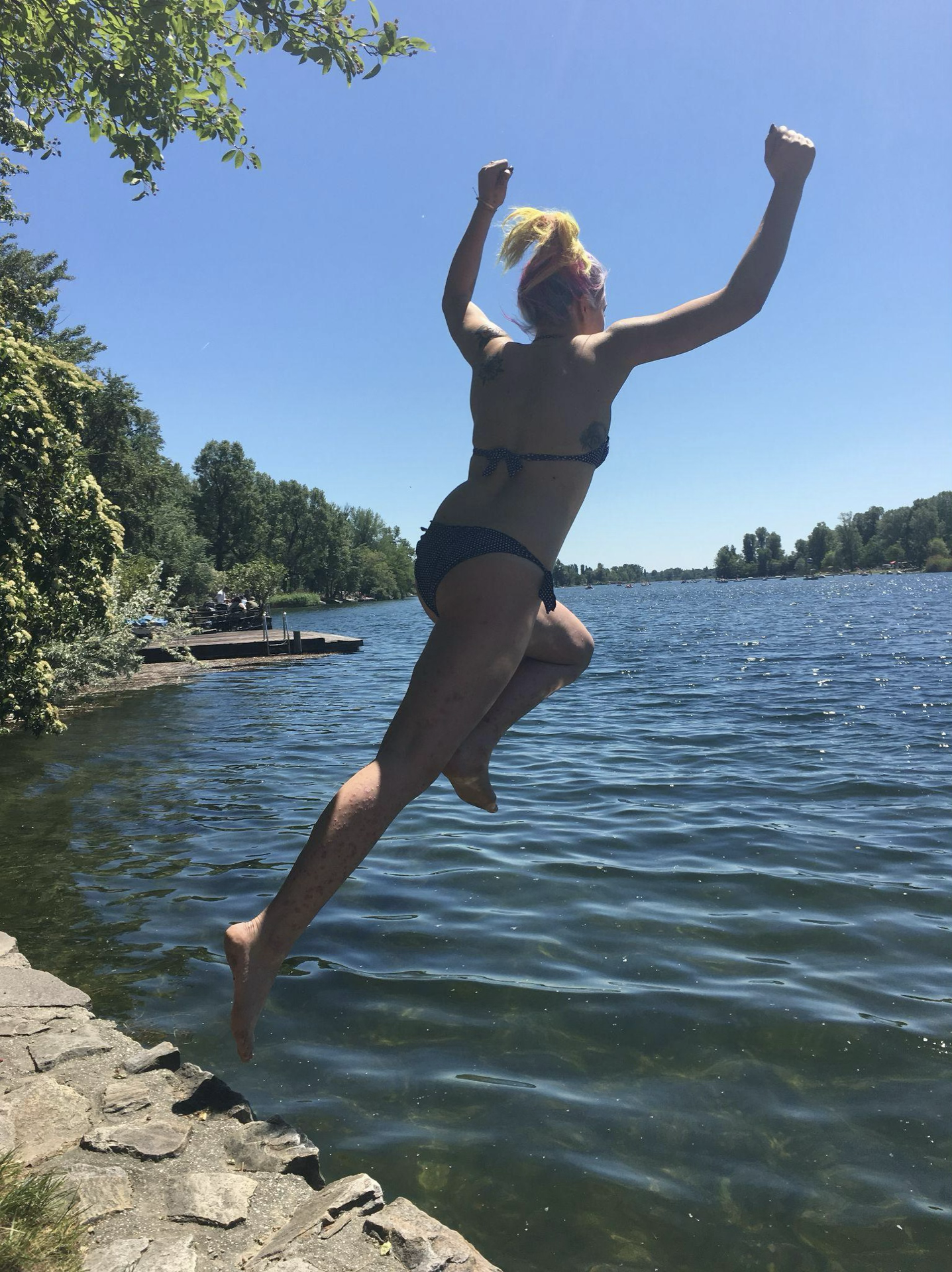
What you can’t see from the outside
Today, I realise that it was only in hindsight that I understood just how great the psychological pressure actually was back then. That’s why, for me, psoriasis has never been just a skin condition. It was always with me in everyday situations. Whilst shopping. At the hairdresser’s. At the chemist’s. When interacting with other people. And, of course, when doing sport.
I’m writing this blog post for all of you who have only just received this diagnosis, but also for those of you who have been battling one or more plaques for a long time without things moving forward. And if it doesn’t affect you personally: even better! Perhaps you know someone who might find this blog helpful?
| Before a bike race | Before a dermatologist appointment |
| I choose the right race. I look at the course, distance and elevation gain and consider whether the race suits me. | I choose the right dermatologist. Who can really help me with my condition? Do I feel taken seriously there? Does the appointment fit into my everyday life? |
| I prepare. I train, plan my nutrition and think about what I’ll need along the way. | I prepare for my appointment. What symptoms do I have? What limits me in everyday life? What weighs on me? What questions do I want to ask? |
| I know the course. I check in advance what lies ahead, where it gets tough and where I need to be especially careful. | I know my symptoms. I think in advance about the situations in which psoriasis affects my life: at work, during sport, with my family, while sleeping or when interacting with other people, and I describe this to my dermatologist. |
| I have a plan for race day. I know when I can eat and drink under load and what I’ll do if something doesn’t go to plan. | I have agreed on a treatment plan with my dermatologist: What is the goal of the therapy? When will we check whether it’s working? And what is the next step if it isn’t working well enough? |
| Before the start, I go through everything one more time. Helmet, bottles, bike computer, tyre pressure. | Before the appointment, I go through my notes one more time. For example, my “psoriasis pitch” or the key points in my notes app. |
| In the race, I have to deliver. Even though I’m prepared, I might get nervous or forget something at the decisive moment. | During the appointment, I need to describe my situation as specifically as possible. That’s exactly when it helps to have examples from everyday life ready. |
| After the race, I analyse what worked. What went well? Where did I struggle? What would I do differently next time? | After the appointment, I reflect on the treatment plan. Was I taken seriously? Did I understand the treatment plan? Are we reaching the goals we agreed on? |
| If something isn’t working, I change my strategy. Different training, different tactics or maybe a different race. | If the treatment isn’t working, there should be a next step. Adjusting the therapy, discussing other options or, if necessary, getting a second medical opinion. |
I would never turn up at the starting line of a cycle race unprepared. Why on earth would I do that for a doctor’s appointment where my health is at stake?
And just like in a cycle race, preparation makes all the difference when it comes to my psoriasis. Today I can say that, thanks to the excellent collaboration with my dermatologist, a treatment that suits me, and the fact that I’ve learnt to monitor my psoriasis and its impact on my daily life more closely and address it effectively, I’m now able to live largely symptom-free. It wasn’t always like that. And for me, it makes quite a big difference whether I simply ‘get a doctor’s appointment out of the way’ or whether I actively use it to work on my situation together with my doctor.
Prepare for your next doctor’s appointment just as you would for your next race: take five minutes today, open your notes app and write down three things that cause you the most stress in your day-to-day life because of your psoriasis, and three questions you definitely want to ask at your next appointment. Take this list with you and discuss it with your dermatologist.
Nora

Nora works full-time in digital marketing and has incidentally raised one of the most successful personal road cycling Instagram accounts & blogs in the DACH area. She also writes and photographs for magazines, newspapers and brands.